
Canton Fair: benefits, limitations and preparing a commercially focused visit
What the fair can offer, which risks to assess and how to prepare suppliers, meetings and follow-up with Hanito’s support.

Tequila in Asia: choose a market, not just a continent
Japan, China and South Korea offer different opportunities. A Mexican brand needs to decide where to enter, which partner to choose and what price the channel can support.

Before a food or beverage trade show: how to build a buyer meeting schedule
A trade show starts before its doors open: with the buyers you want to meet, the offer you will present and the follow-up you will organise. This is an adaptable planning method, not a promise of meetings, sales or a particular timetable.

From first contact to first order: anatomy of an international negotiation
A positive reply is not yet a sale. This walkthrough uses a fictional packaged-food company to explain the decisions between initial interest and the first shipment. It is not a real Hanito transaction and does not promise a closing time.

Is your product ready to export to Asia? A checklist before approaching importers
Strong domestic sales do not guarantee export readiness. Choose a specific country and channel, investigate feasibility and check whether your company can deliver its offer. This is a commercial working tool, not certification or sanitary authorisation.

Argentine Wine in Thailand and Vietnam: Riding the Southeast Asian Wave
Thailand cut its wine taxes, Vietnam grows at double digits and Argentina was the fastest-growing origin in Bangkok in 2025: how to scale Malbec and Torrontés.

K-Beauty Lands in Argentina: Korean Cosmetics Go Mainstream
Argentina imported US$8.4 million in Korean cosmetics in 2025 and regional demand surged 135%: ANMAT-Mercosur rules, retail and the opportunity map.
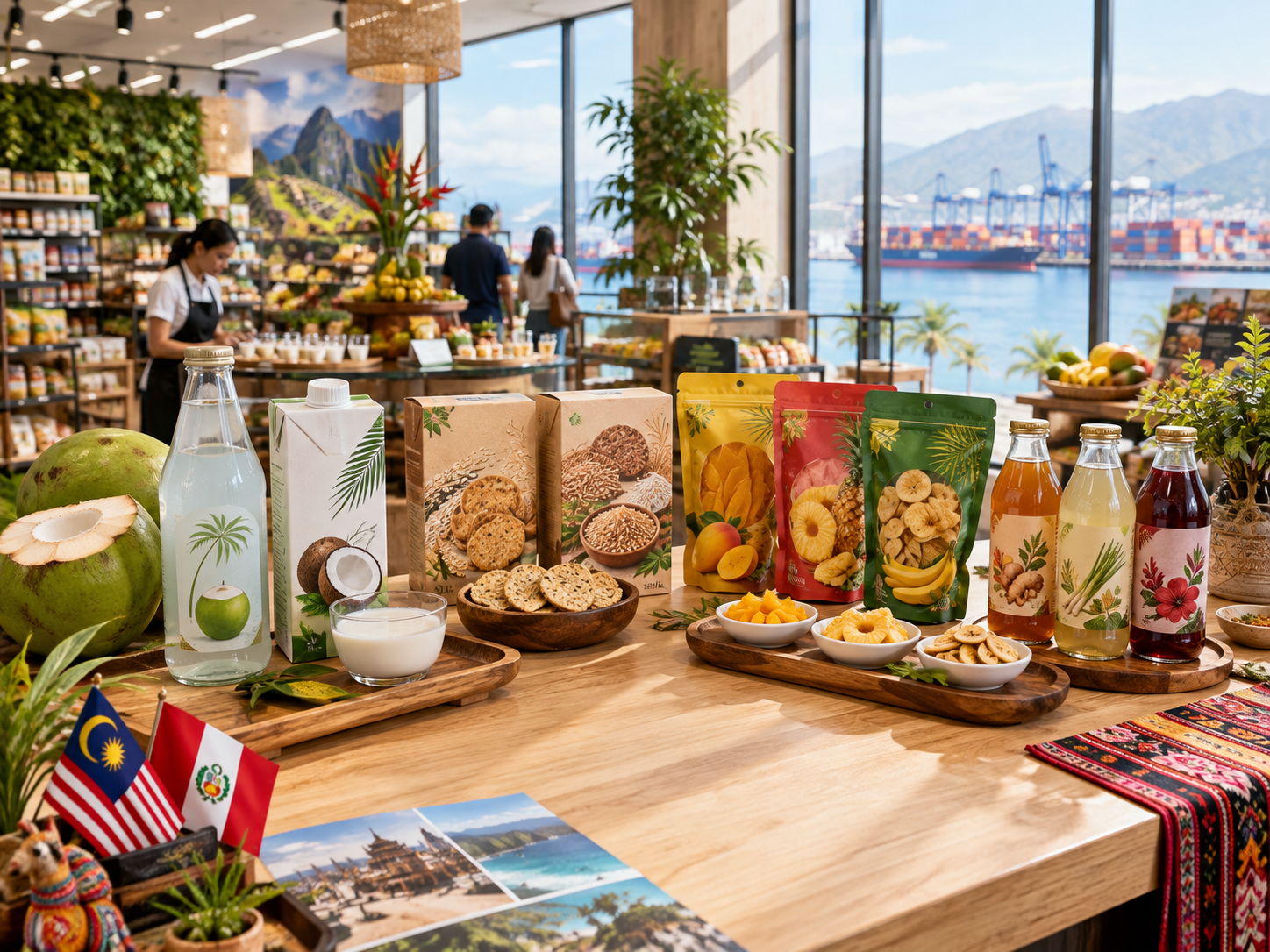
Healthy Food from Malaysia to Peru: Halal Quality Meets the CPTPP
Malaysia's halal and functional food boom meets Peru's wellness demand under the CPTPP: DIGESA registration, octógono labels and the categories ready to cross the Pacific.
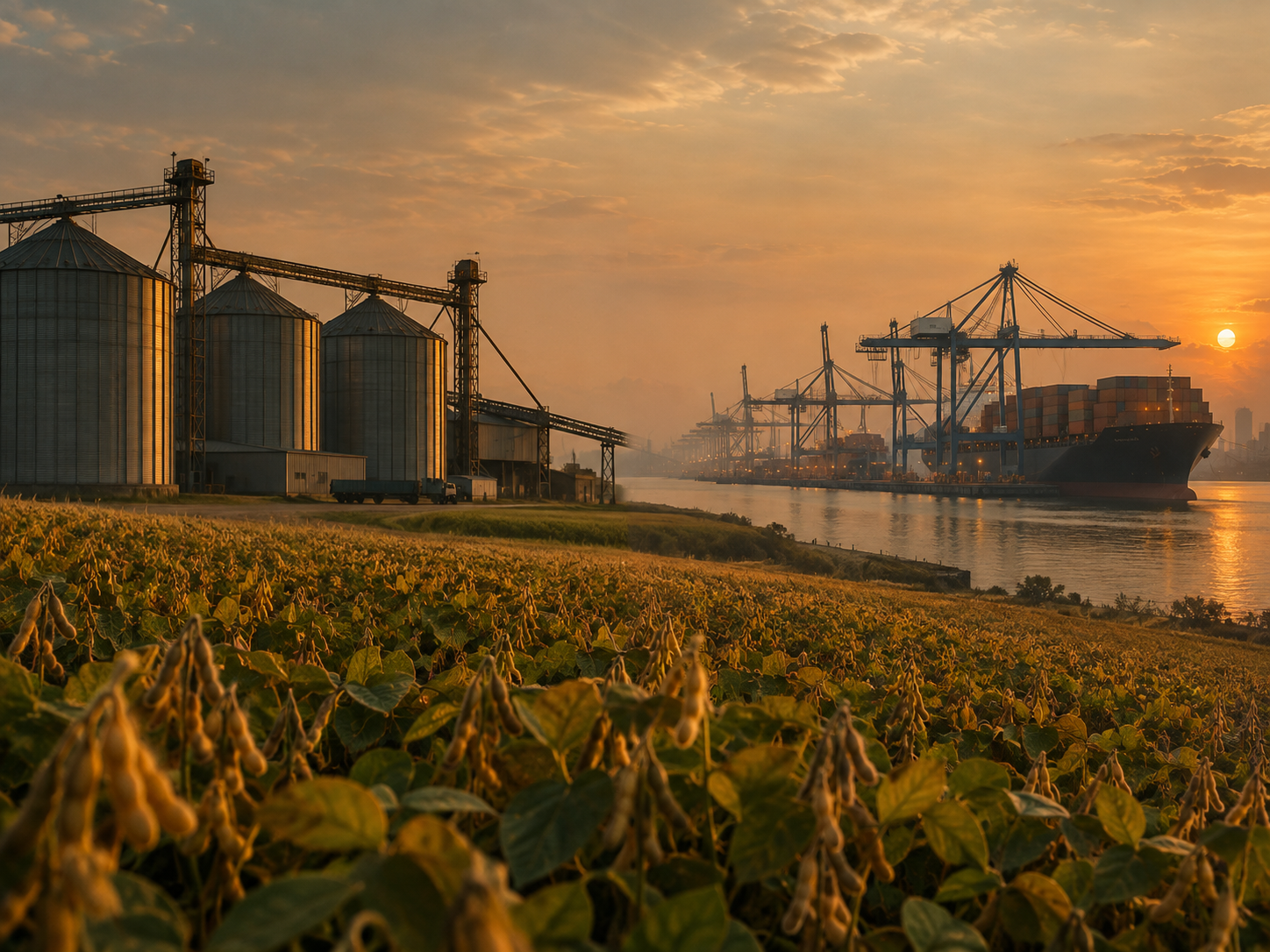
Paraguay Meets Asia: Soy, Beef and the Bioceanic Advantage
Competitive taxes, record crops and a fast corridor to the Pacific: how Paraguay can scale sales to Japan, Korea, China and Southeast Asia.

Uruguayan Tannat in Thailand and Vietnam: A Premium Beachhead in Southeast Asia
High excise taxes, booming wine bars and Latin-grill restaurants: how to position Uruguay's flagship red in Bangkok, Ho Chi Minh City and Hanoi.

The Services Bridge: Connecting Singapore and Chile Across the Pacific
CPTPP partners and DEPA pioneers: logistics, fintech, edtech and agtech opportunities for service firms using Singapore and Chile as mutual gateways.

From Thailand to Chile: Why Asian Canned Foods Are Winning Chilean Shelves
Thai canned tuna, pineapple, coconut milk and curries fill Chilean shelves: labeling rules, Pacific logistics and retail entry.

Chilean Salmon and the CPTPP: Tariff-Free Reach Across 11 Pacific Markets
Chile is the world's second-largest producer. How the CPTPP puts its salmon at zero tariff in Japan, Mexico, Canada and Vietnam.

Japanese Auto Parts to Latin America: The Aftermarket That Crosses the Pacific
Aging fleets dominated by Toyota, Nissan and Honda drive demand: genuine, OEM, certified used parts and container logistics.
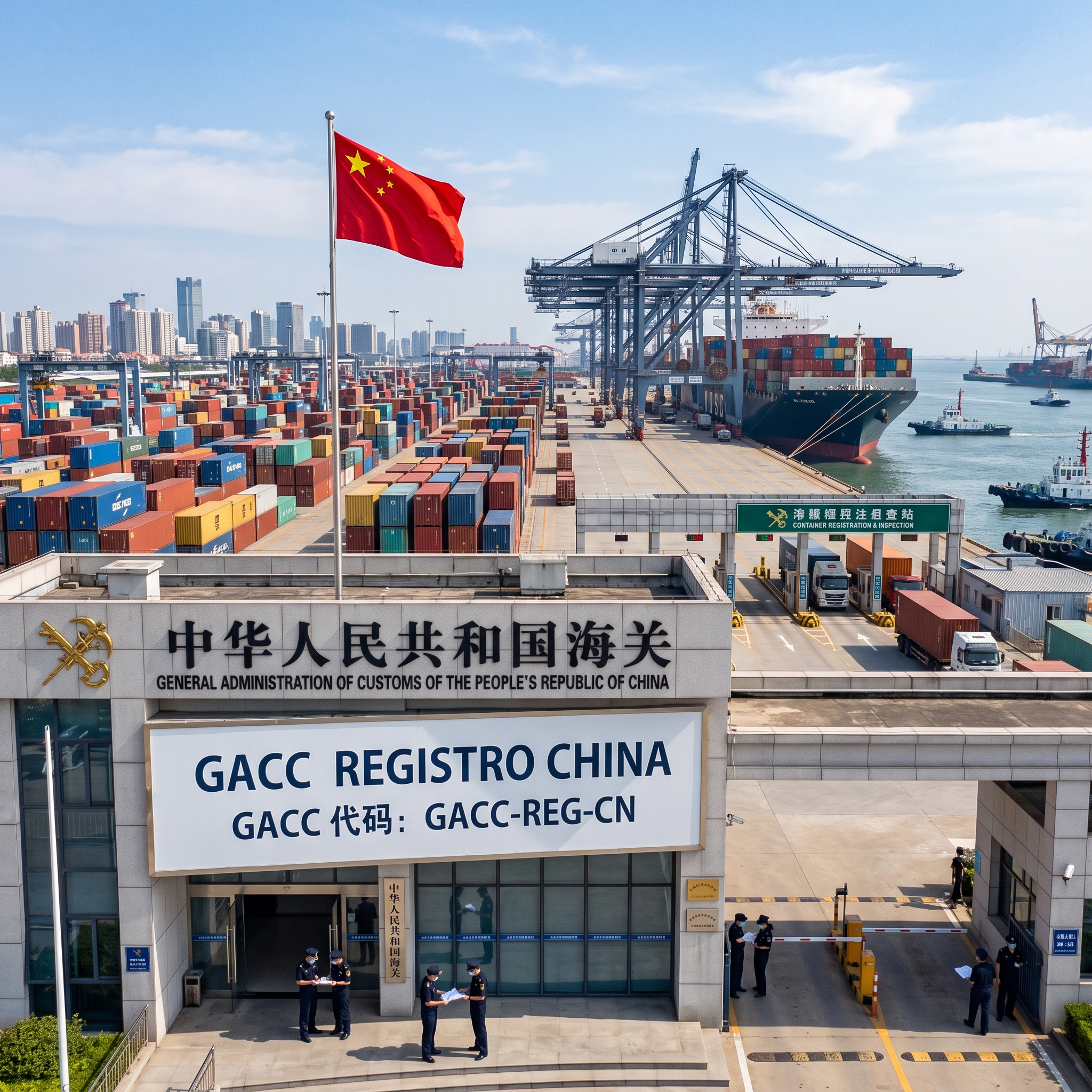
GACC Registration: Decrees 248, 249 and the New Decree 280 for Food Exports to China
CIFER, official sanitary recommendation, GB labeling and the paperwork mistakes that cost a container.
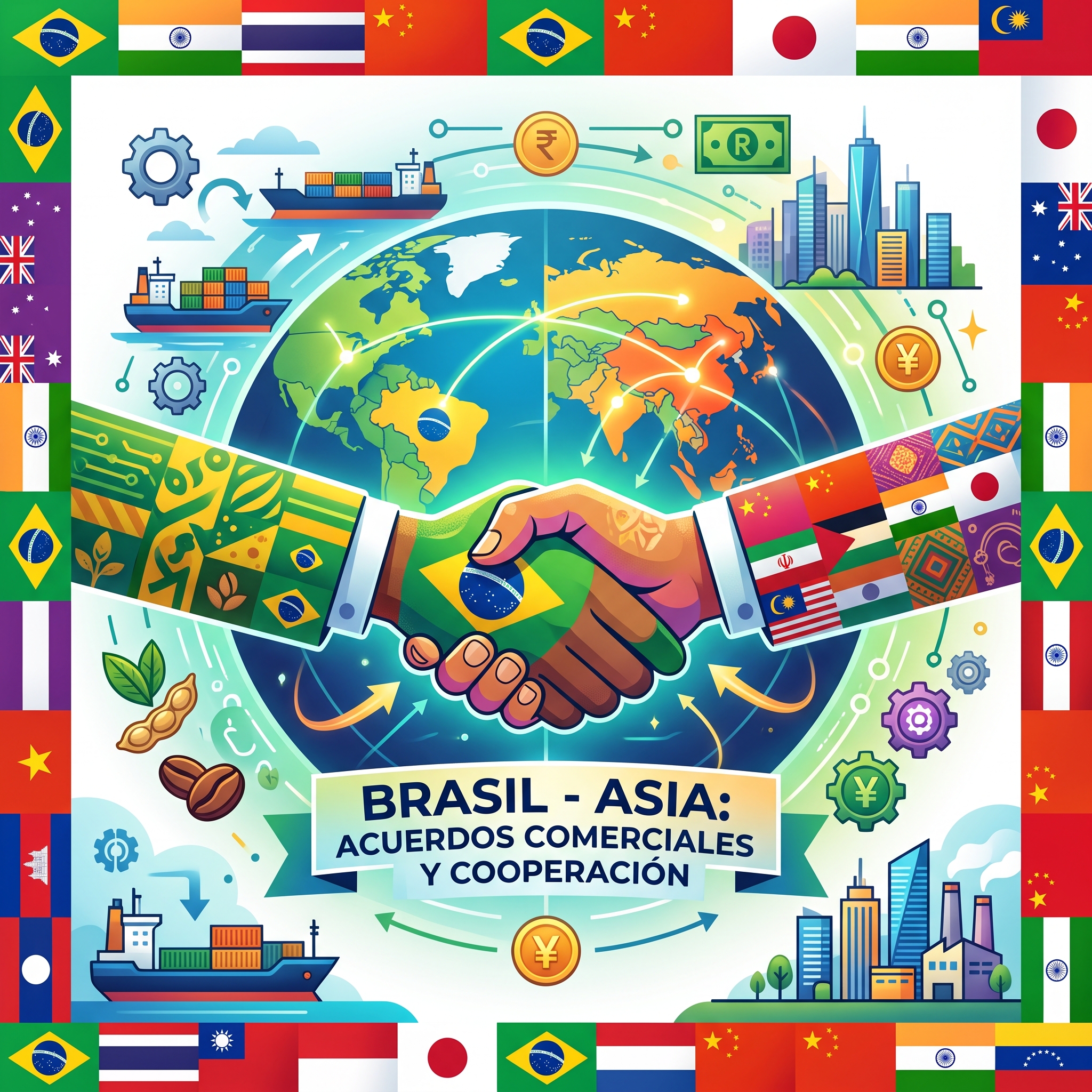
Brazil–Asia 2026: Singapore in Force, Vietnam Negotiating and the Portfolio on the Move
The Singapore FTA already applies to Brazil since August; Vietnam held its first round, and Korea and Japan are advancing. Rules of origin inside.
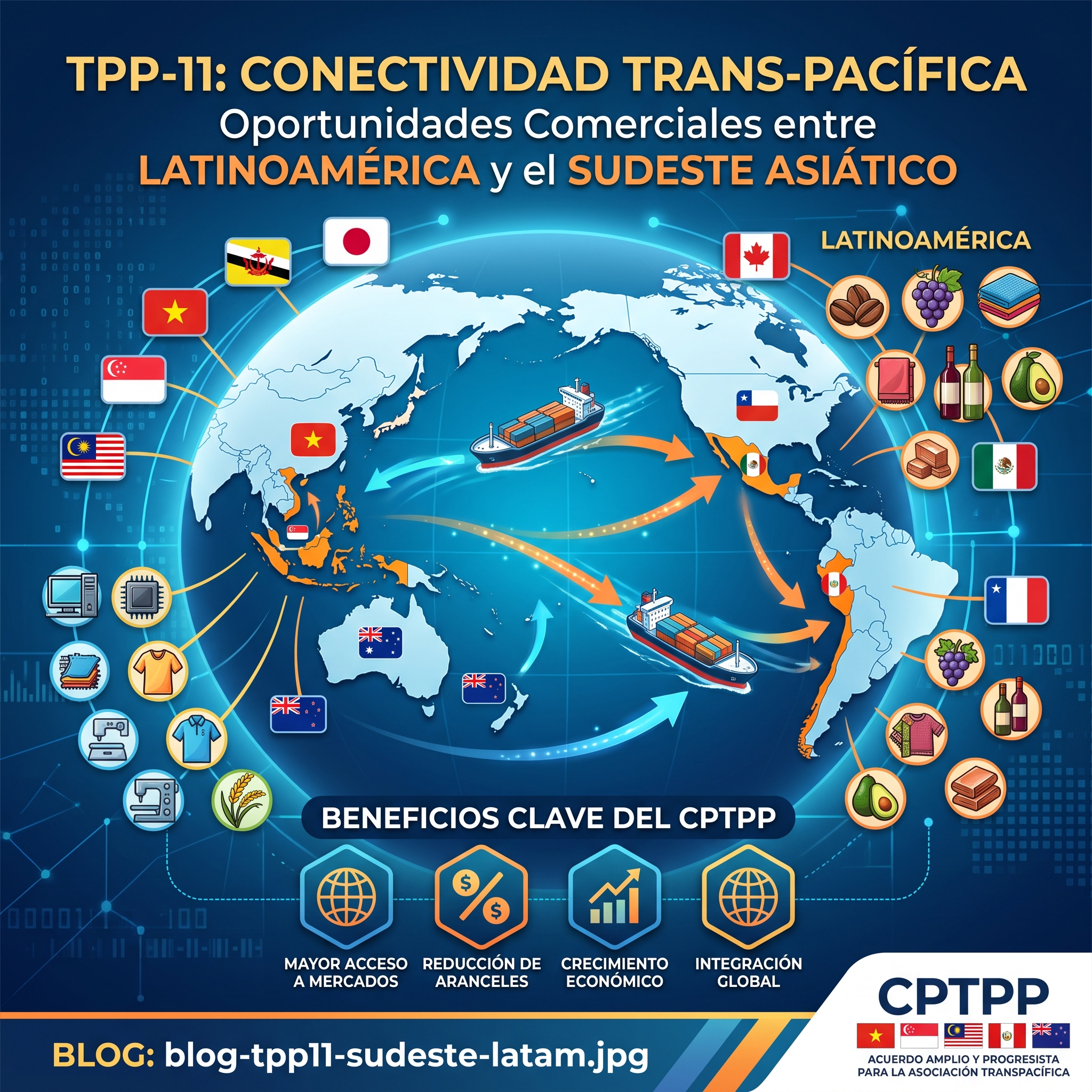
TPP11: Southeast Asia’s Advantage and the Opportunities for LATAM
Vietnam chairs the CPTPP in 2026 as the club negotiates with Uruguay, Indonesia and the Philippines: what Mexico, Peru, Chile and the region gain.
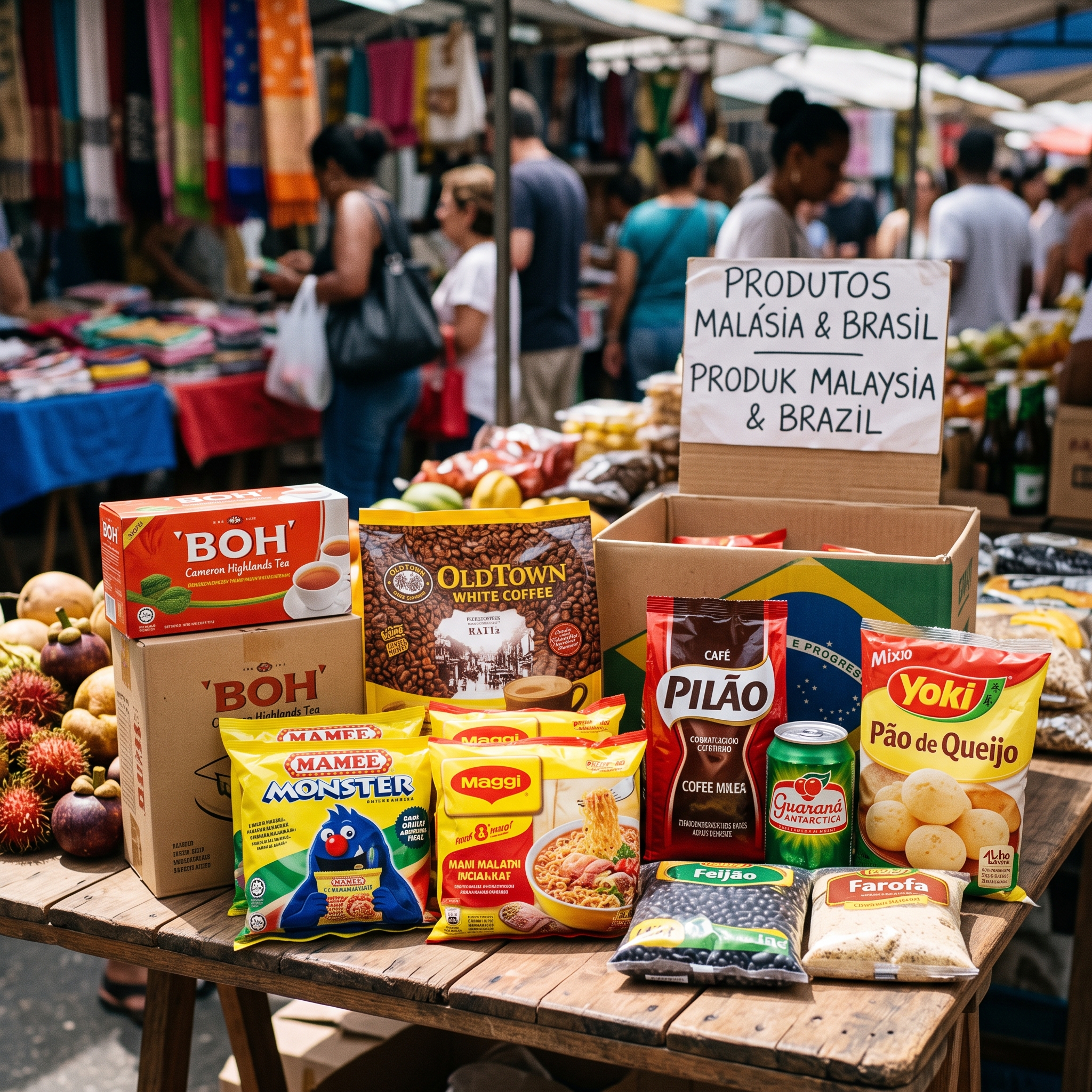
Malaysia to Brazil: Halal, Palm Oil and Electronics in a US$4.46 Billion Corridor
Bilateral trade already exceeds RM20.4 billion and Malaysian halal exports to Brazil jumped 68%. JAKIM certification, ANVISA and private label: the opportunities ahead.
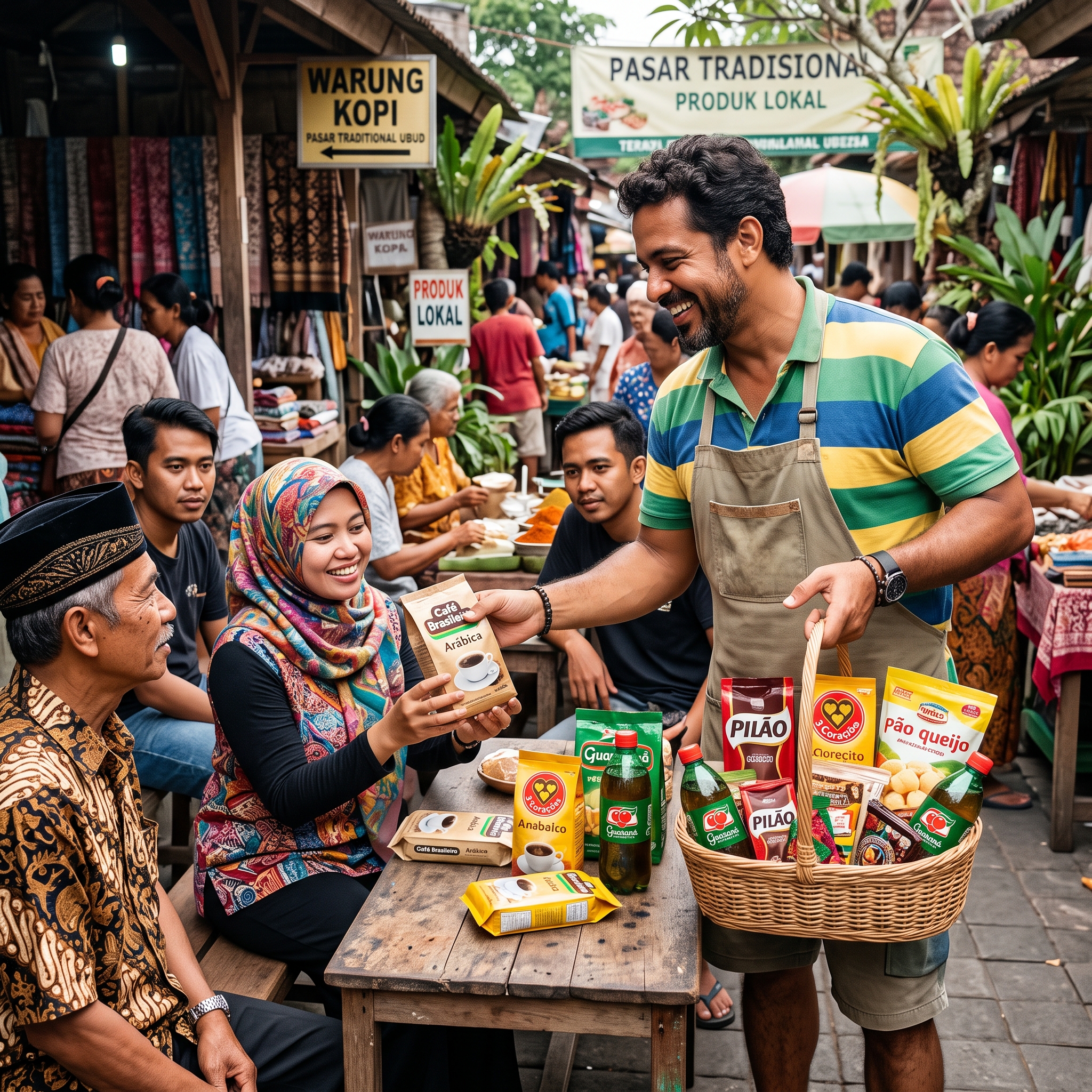
Brazil to Indonesia: Beef, Sugar and the World's Largest Halal Market
Halal certification becomes mandatory in October 2026. FAMBRAS, BPOM registration and the quota system: how to enter a market of 280 million consumers.
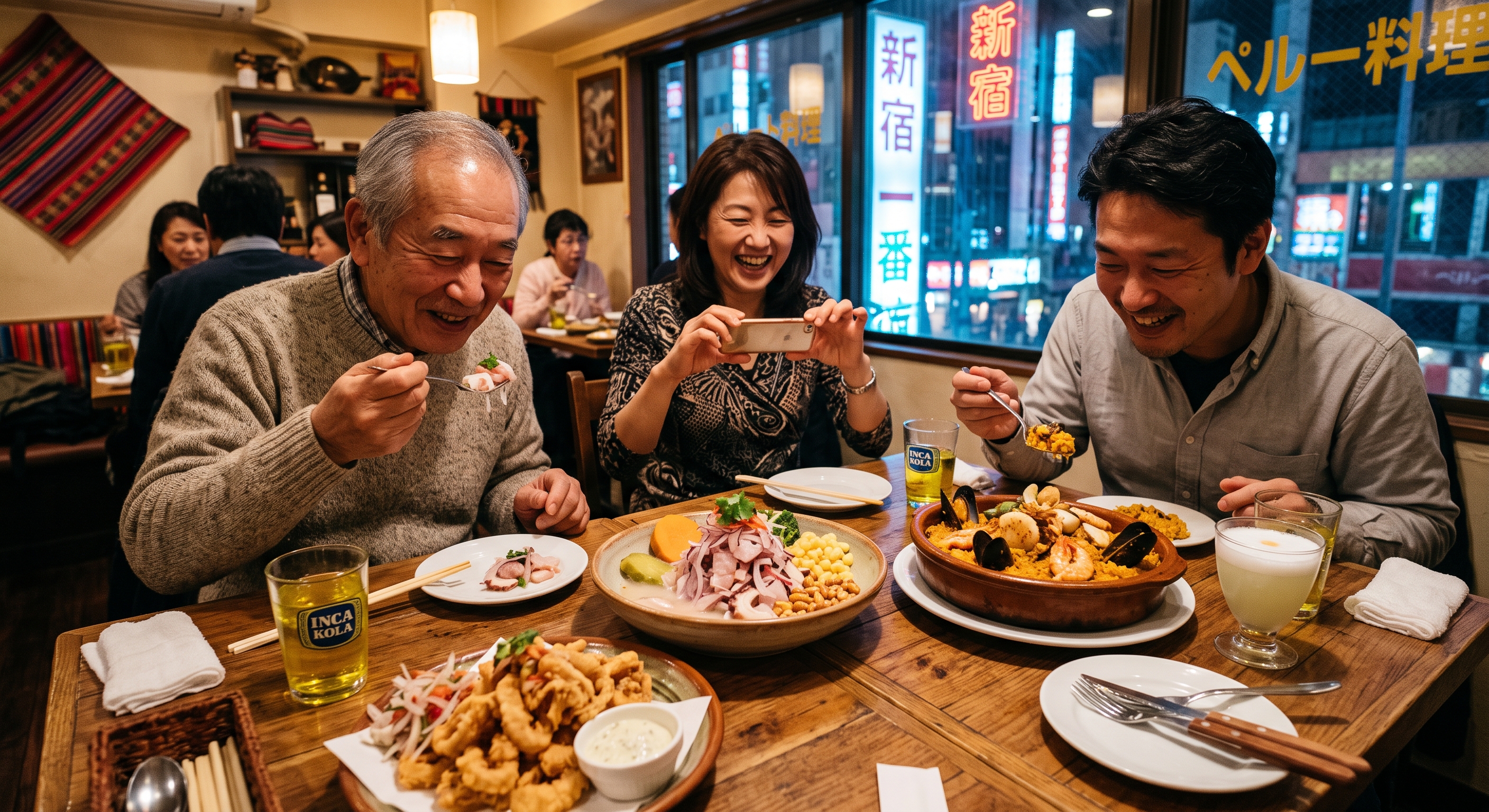
Peruvian Seafood to Japan: Giant Squid, Scallops and the CPTPP Advantage
Pota, concha de abanico and mahi-mahi: how Peru can grow in the world's most demanding seafood market via the CPTPP and the frozen value chain.
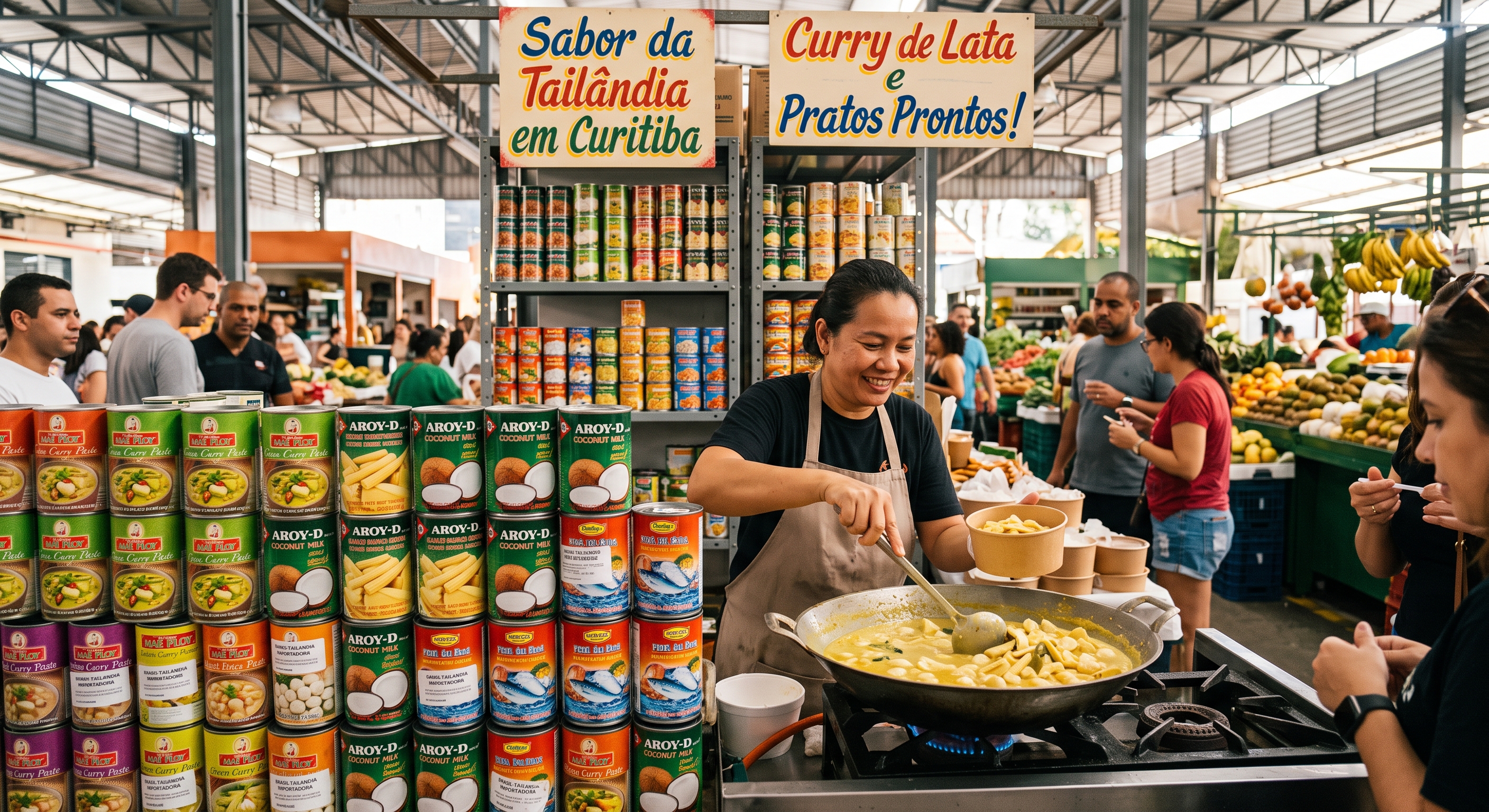
Thai Canned Goods to Brazil: A Shelf-Stable Opportunity in a Demanding Market
Thailand is the world’s largest exporter of canned tuna and pineapple. How to land Thai shelf-stable foods in Brazil: ANVISA, tariffs and private label.
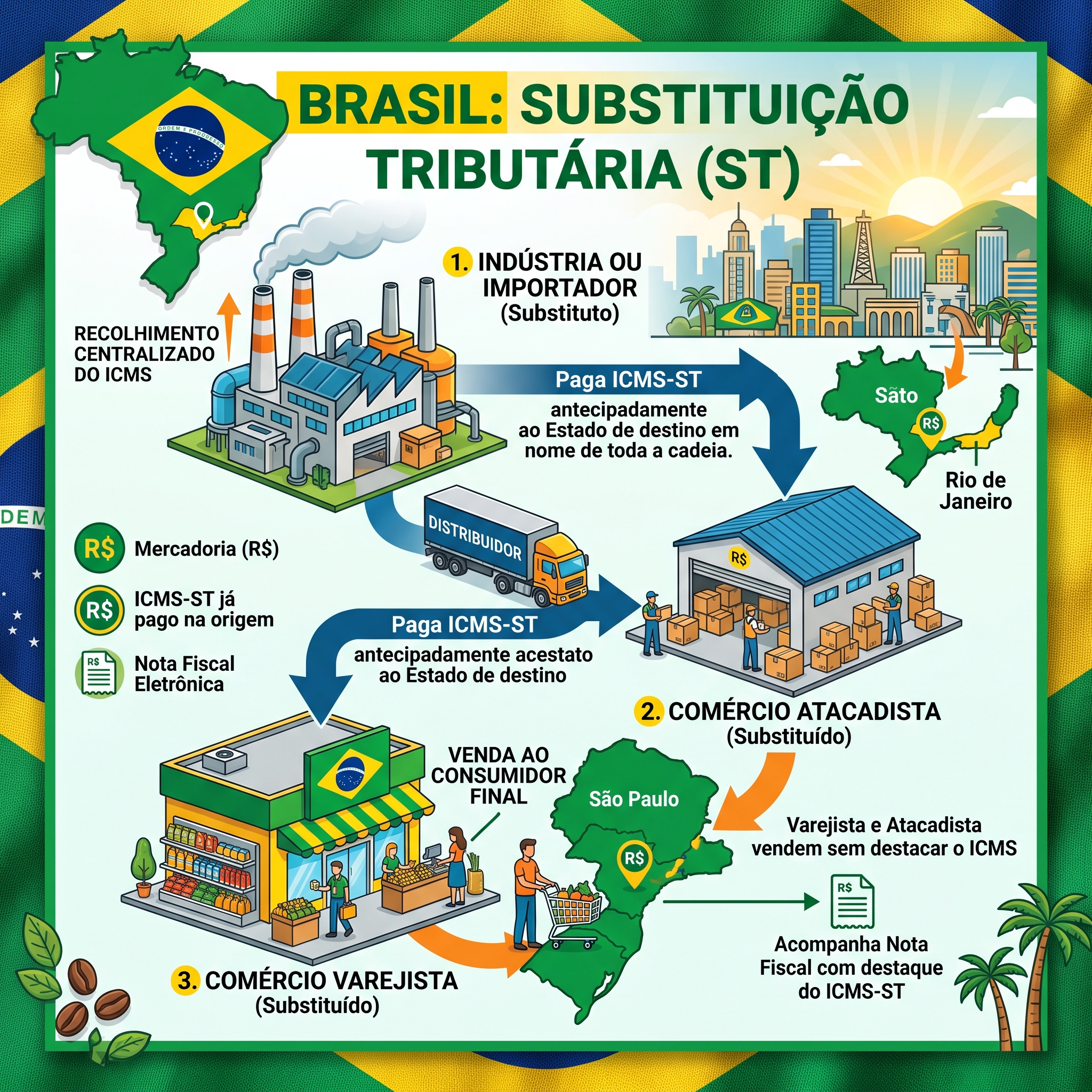
Importing into Brazil: Taxes, Tax Types and the Famous Substituição Tributária
ICMS, IPI, PIS/COFINS, ISS and the famous substituição tributária — plus how Brazil’s 2026–2033 tax reform (IBS/CBS) changes landed costs.
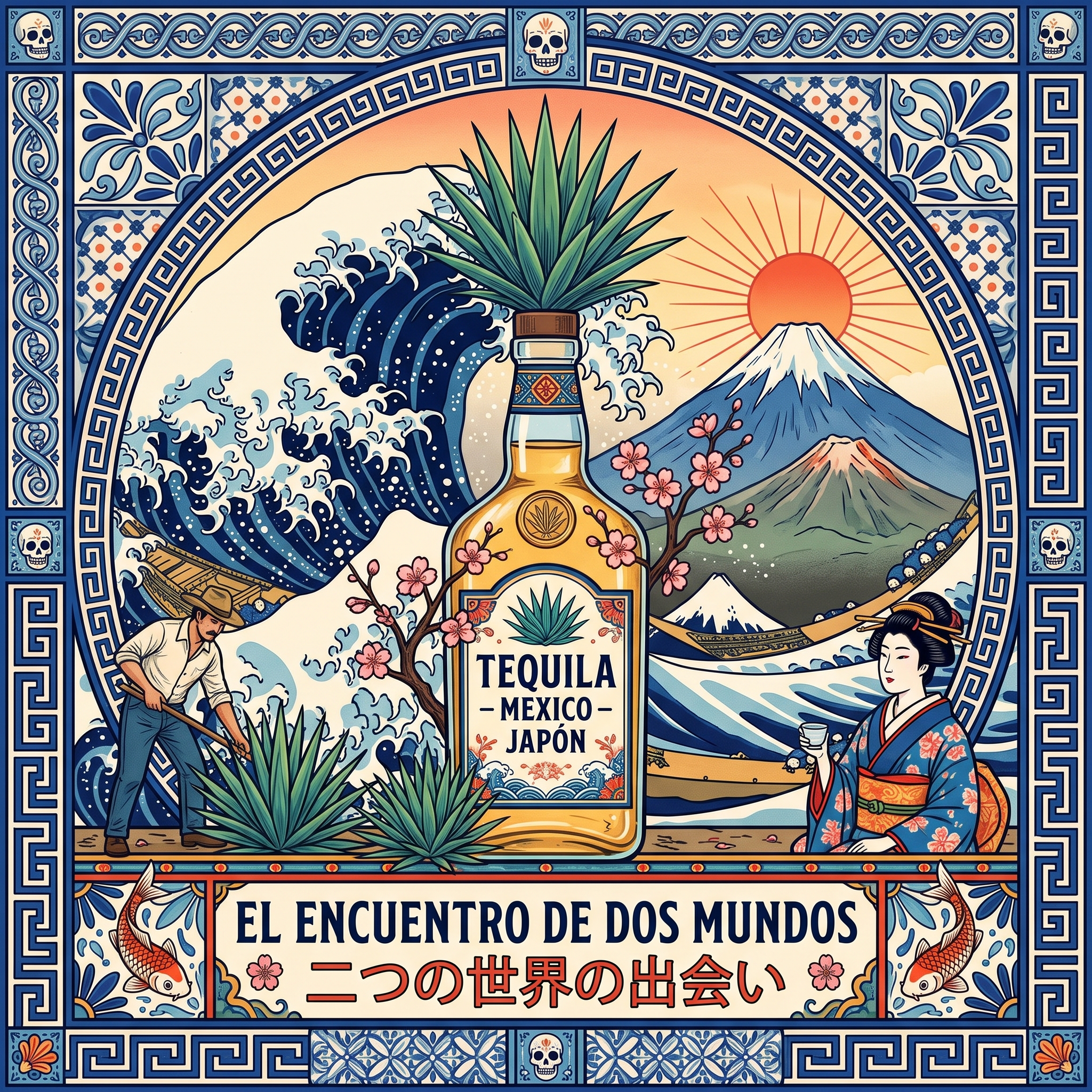
Tequila in Japan: Developing a Premium Mexican Category in a Mature Market
Tequila exports keep climbing and Japan is among its most promising premium markets: regulation, channels, cocktail culture and positioning.
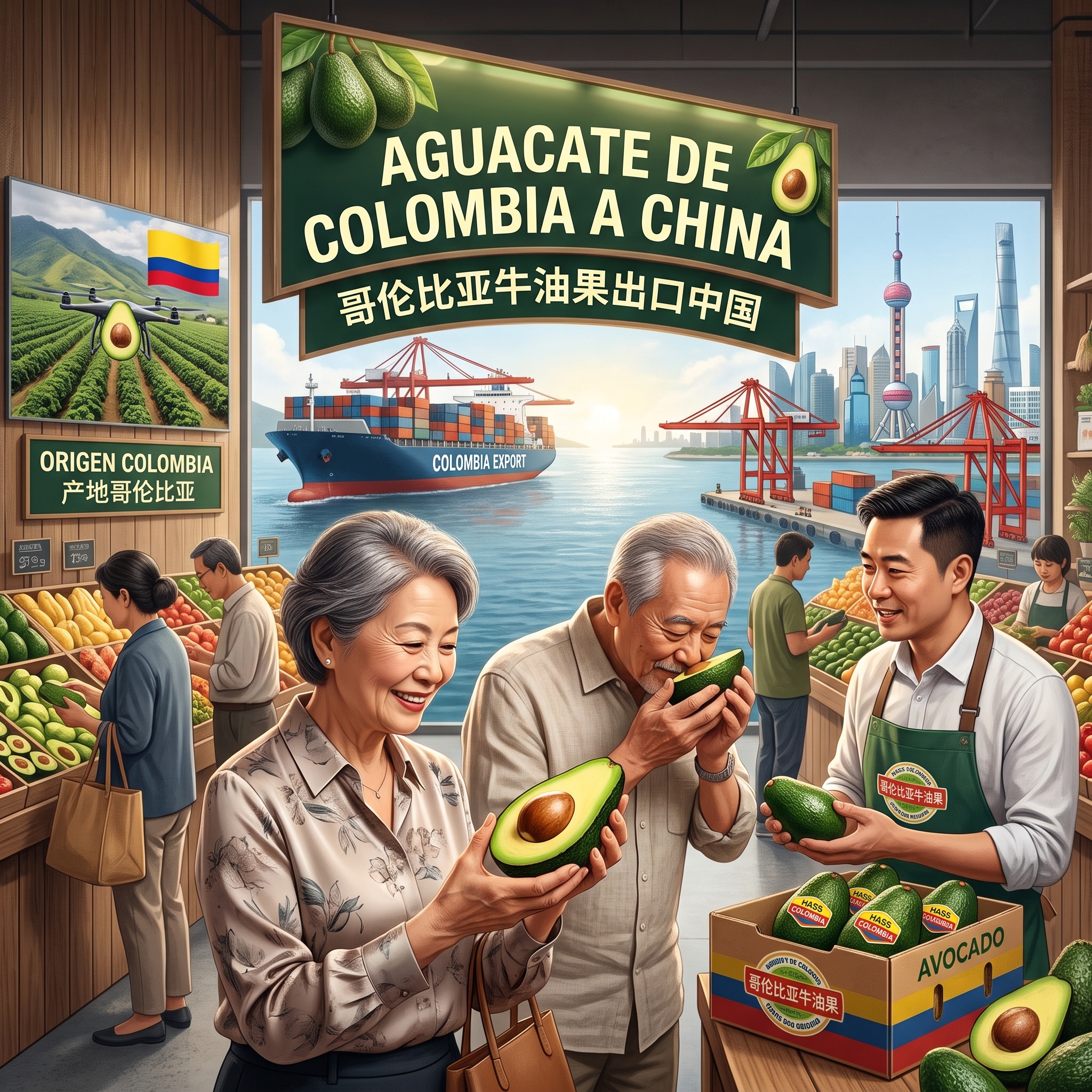
Colombian Avocado in China: Scaling One of the Youngest Corridors in Fresh Produce
Hass access, a 30-day Pacific crossing and fast-rising demand: how Colombia’s avocado boom can find its second engine in China.
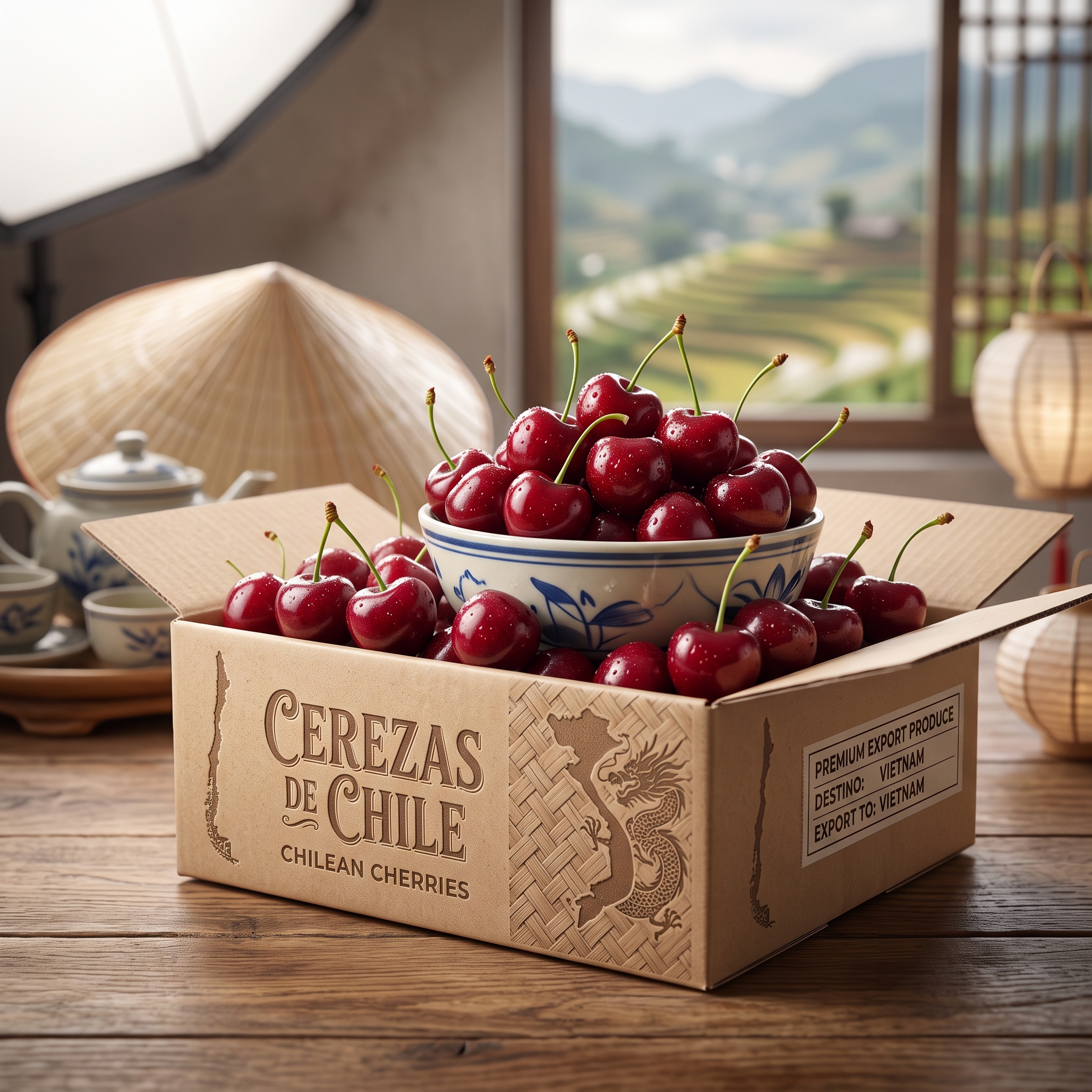
Chilean Cherries in Vietnam: How a New Market Opens Beyond China
Chilean cherry shipments to Vietnam are growing at triple digits. Cold treatment, logistics, the Tet gifting season and the openings ahead.
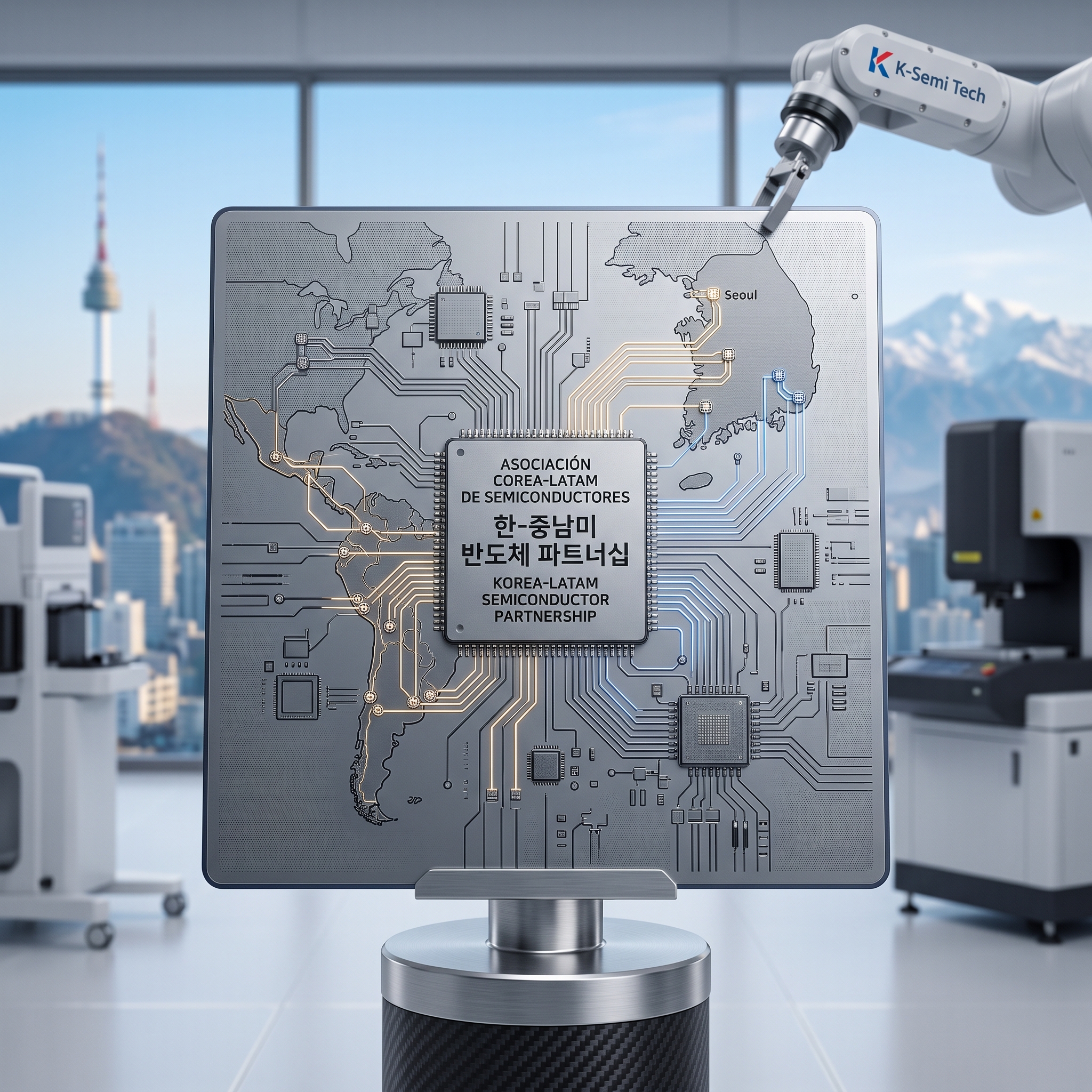
Korea's Semiconductor Supercycle: What the AI Boom Means for Latin America
Korean chip exports are breaking records — up 169% in a single month — on the AI boom. Prices, supply chains and what LATAM should expect.

Chinese Tech Products to LATAM: Electronics, Machinery and Market Entry Strategy
How Chinese manufacturers can successfully export electronics and machinery to Latin America: certifications, tariffs and distribution.
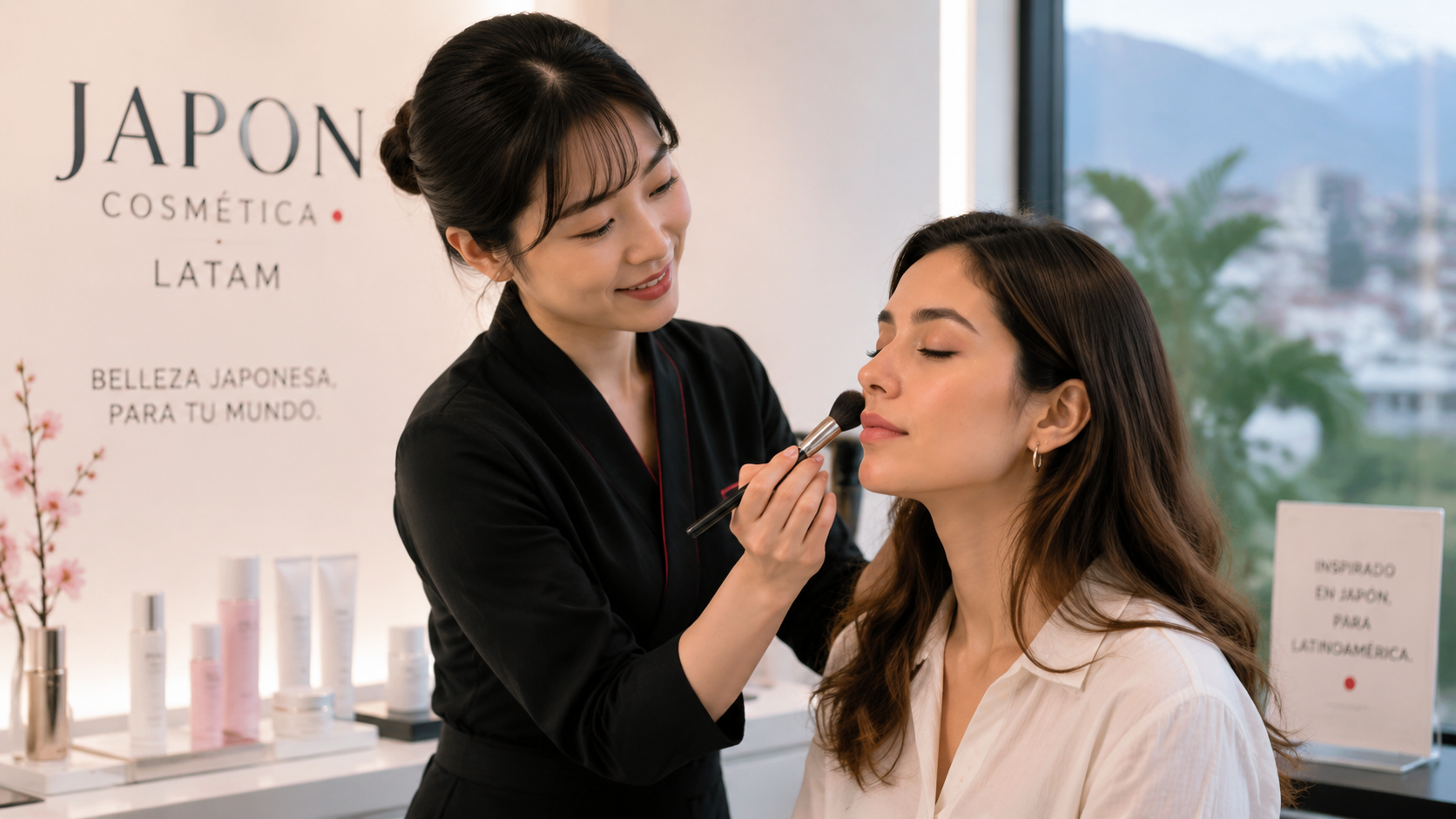
Japanese Cosmetics and J-beauty to LATAM: Market Opportunities and Entry Strategy
How Japanese cosmetics brands can enter the Latin American market: regulation, channel building and premium positioning.
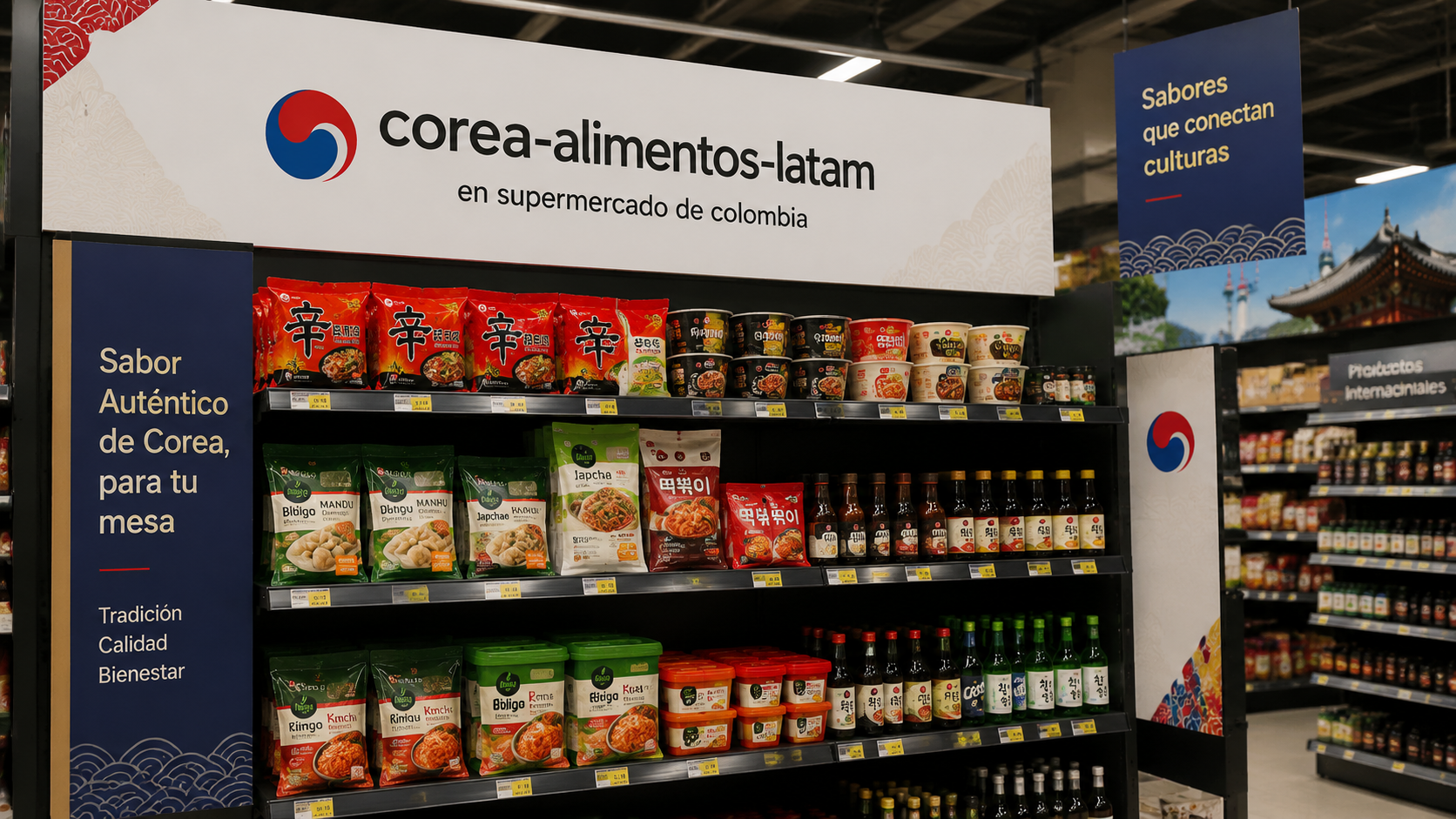
Korean Processed Foods to LATAM: Ramen, Sauces and Snacks
How Korean food companies can export ramen, sauces and snacks to Latin America: regulation, K-food trend and distribution channels.
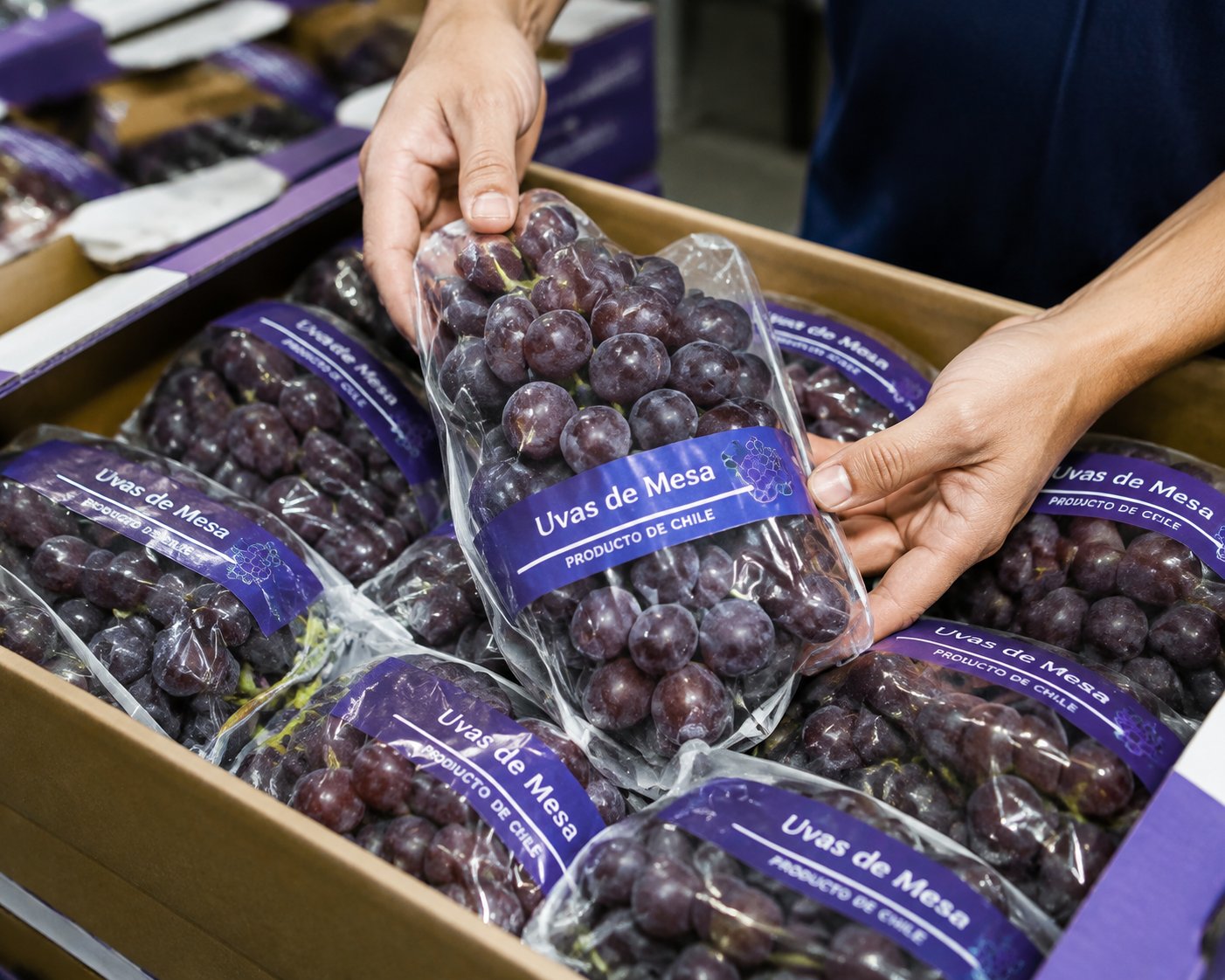
Table Grapes from Chile to Japan: Quality, Market Window and Added Value
How to position Chilean table grapes in Japan with a focus on quality, presentation and commercial discipline.
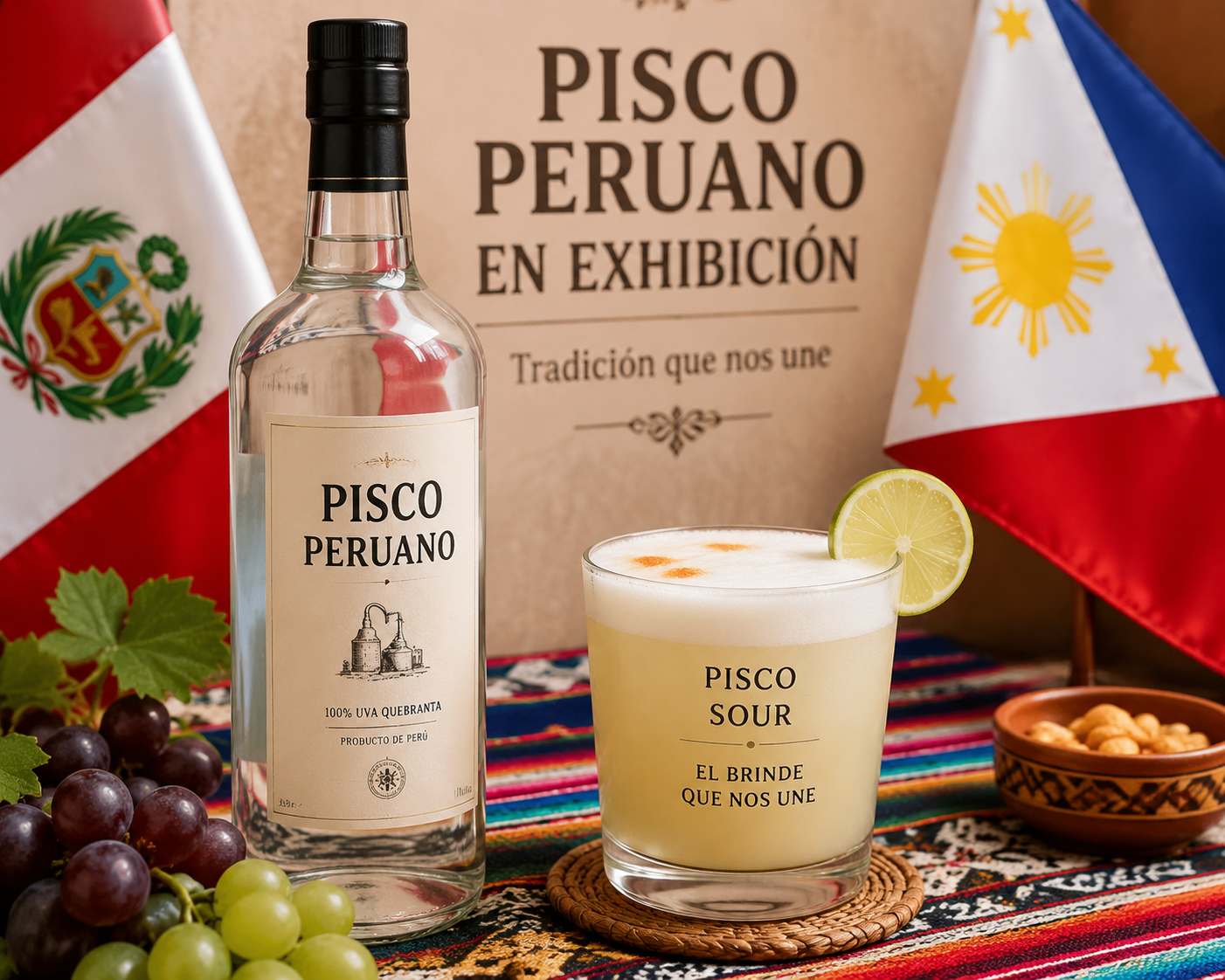
Peruvian Pisco to the Philippines: A Premium Opportunity in Southeast Asia
How to position Peruvian pisco as a premium, educational and gastronomic category in the Philippine market.
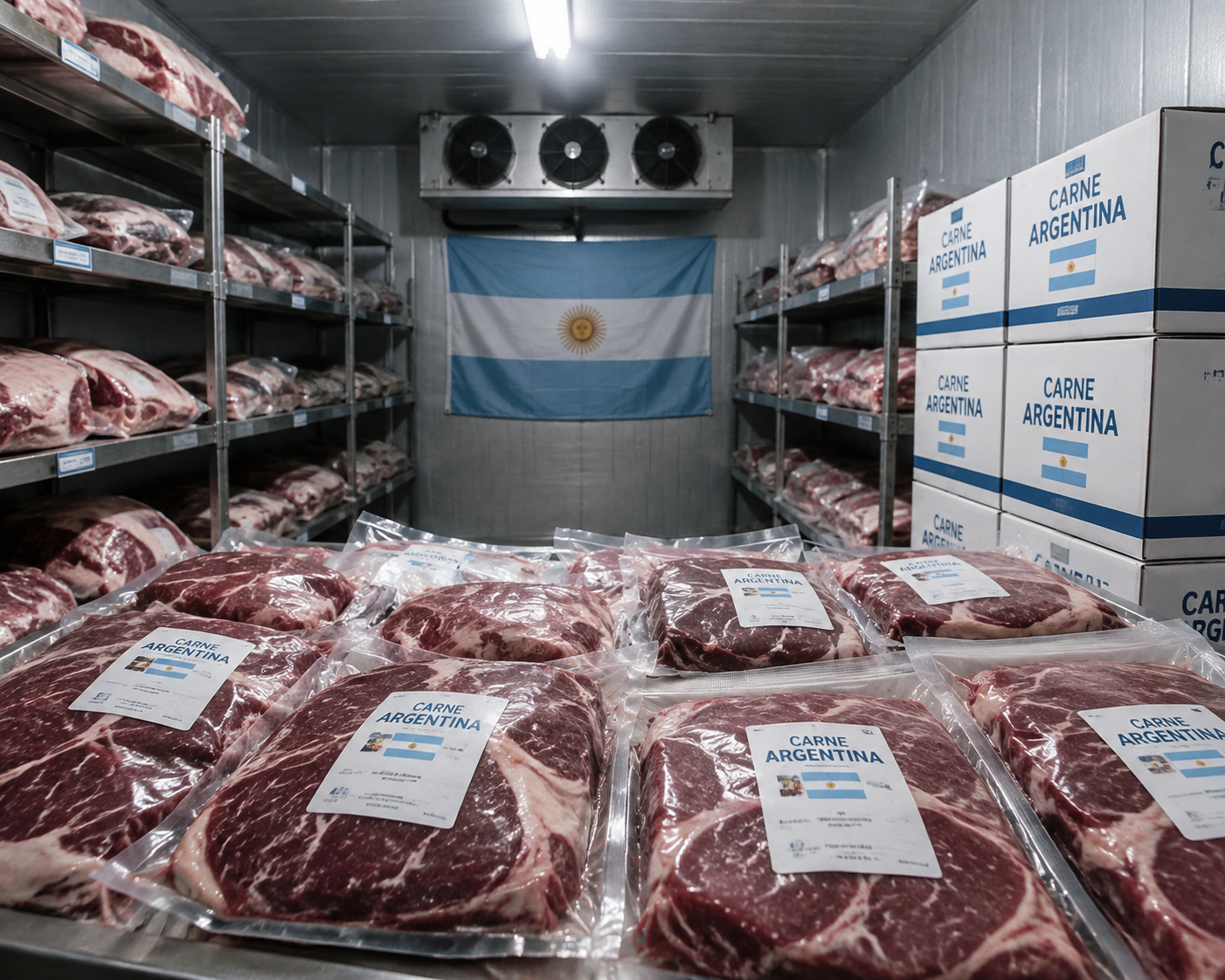
Exporting Meat Products from Argentina to China: Volume, Value and Positioning
Beef, by-products, trade requirements, and how to build sustainable proposals for the Chinese market.